





Air pressure n50 test
The n50-value over one hour is used by the Passivhaus standard to describe the number of air changes that occur within a building's envelope at a pressure difference of 50 Pascals (Pa). The Passivhaus standard is based on a building physics principle that a building can be heated only by the occupants' activities and solar gains. As such the standard is primarily interested in the volume of air that needs to be heated and thus the rate at which that volume of air would be replenished through uncontrolled ventilation or minimised through air tightness.
This is measured through an n50 pressure test which is carried out by closing and sealing doors and windows and installing a door blower to create a pressure differential of 50 Pa (equivalent to a 5 mm water column) between the inside and outside to measure the air change rate. The standard (or n50) requires a test result which is less than 0.6 air changes per hour @ 50 Pascals expressed as < 0.6h-1@50pa. Note that the volume of the building is based on the sum volume of all individual rooms rather than the total volume within the envelope.
[edit] Related articles on Designing Buildings
- Accredited construction details ACDs.
- Air change rates.
- Air permeability testing.
- Air tightness in buildings
- Airtightness of energy efficient buildings.
- Draughts in buildings.
- Energy audit.
- Floor plenum airtightness.
- Indoor air quality.
- Indoor air velocity.
- Passivhaus.
- Site inspections.
- Thermographic survey.
- The history of non-domestic air tightness testing.
Featured articles
Check out some of the best features and news from Designing Buildings as well as key stories from around the web.
Mayors are to be given planning call in powers
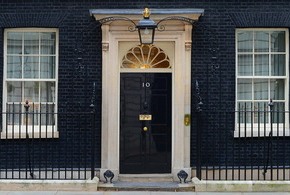
Mayors across England will be able to make the most important planning decisions.
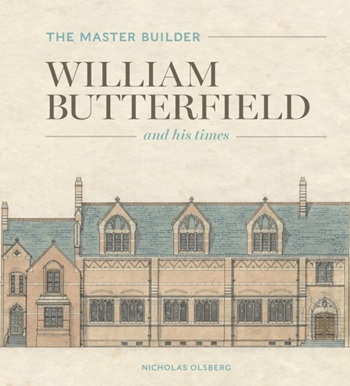
The Master Builder: William Butterfield and his times. Book review.

Why construction can't afford to ignore the skills gap.
Building Safety Regulator, 19 August

Gill Kernick appointed Independent Chair of Residents’ Panel.
Connecting knowledge, technology and conservation
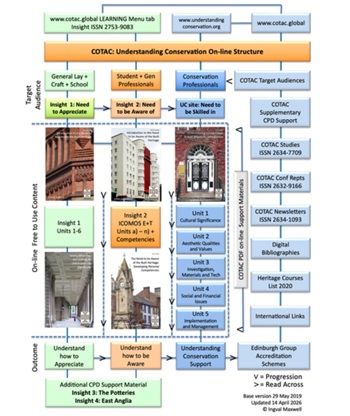
Building competence for the future of built heritage.
Building Regulations and Building Safety Act
CIOB publishes free advice for non-domestic clients.
Building Safety Newsletter from MHCLG.
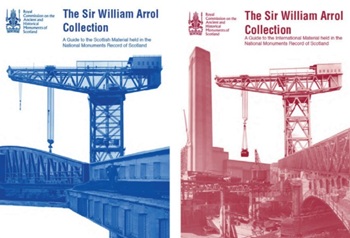
An extraordinary record of steel engineering worldwide.
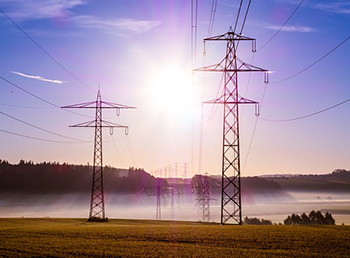
Households living near new pylons to save on bills.

ECA warns growth must not outpace grid capacity or skills.
The role of the client and decision making

CIOB response to built environment professions call for evidence.
Construction's sustainability reporting revolution
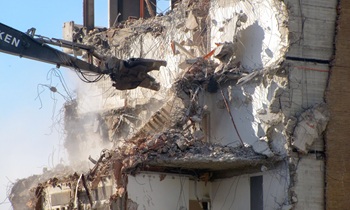
Tracking upfront embodied carbon with digital tools.